
A Warbler's Tiny Heart
how birds changed my life

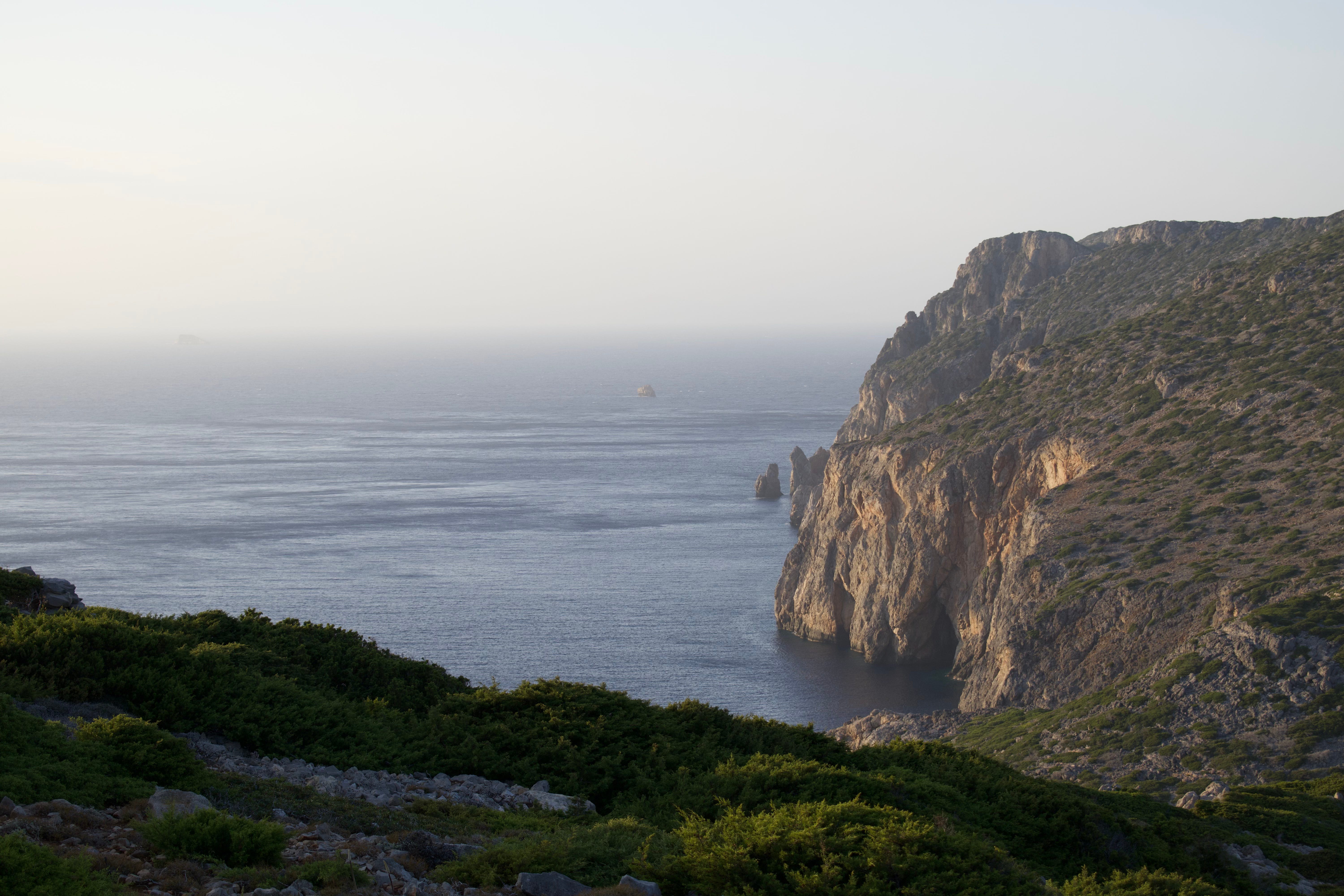
Island of Antikythera, Greece
Antikythera is a barren island, jutting out of the sea like a dull, rough gemstone, a mere twenty square kilometres of treeless, rocky slopes, with nothing but sea and sky around it, so dimensions change, perception shifts. That morning on the island, I knew something extraordinary was happening because the resident birds were unsettled. The Eleonora’s falcons were the first to sound the alarm, their shrill cries of distress cutting through the heat rousing the ravens, the priest’s pigeons, the goats. Within seconds they were all in a state of commotion. I scanned the sky with my binoculars, but all I could see were the falcons over the ridge, soaring, diving, looping in agitation, and the ravens, ever curious, approaching the ridge over which the falcons were gathering, looking around them at every shrill kje-kje-kje-kjaaah! hoping to see what the fuss was about.
And then I saw it. An enormous bird, arriving from the north like an omen, an Imperial Eagle. Against the massive sky, birds, even buzzards, or marsh harriers can look small, vulnerable, but not this bird. This bird glided into the island’s airspace like it owned the sky of the whole world. The Eleonoras, who build their nests along the cliff-side below the ridge, were frantic, gathering in numbers to attack the intruder, only to be tossed away like flies with flicks of the eagle’s massive wings. The tossed falcons rolled through the sky around the eagle in spirals, like roiled water around an enormous ship. The eagle, unperturbed, glided towards the centre of the island and disappeared in the shady gorge, leaving the falcons and ravens behind it relieved, but dishevelled, tense. It would remain on the island for only four days, but it changed my perception of the world forever.
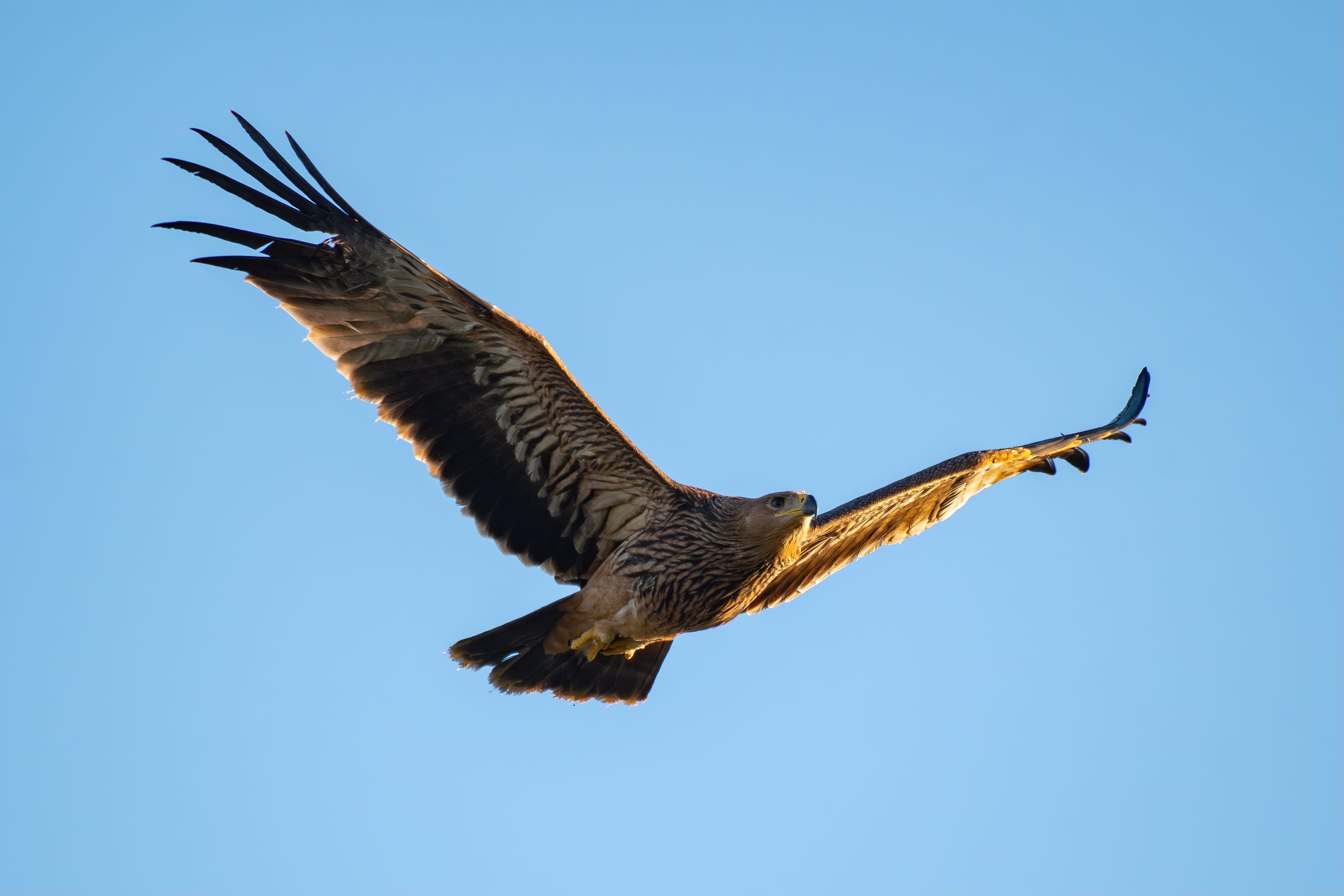
Imperial Eagle, Aquila Heliaca
Birds cross boundaries in ways no other creature can. They cross the boundary of earth and sky so effortlessly, they negate it entirely, inviting us to consider our own limitations. They cross the boundary of literality and metaphor, of the real and the mythical, their very presence signalling weather changes, shifts in the internal structure of the earth, or, for countless peoples through the ages, in the favour of the gods. They cross borders, flying through countless countries, turning the world into one; cross the boundaries of the seasons, singing through the transitions from winter to spring, spring to summer, summer to autumn like seamless airborne melodies turning the year into one endless process of metamorphosis. With their reptilian features, birds cross the boundaries of time, the primeval merging with the modern, the past with the present, their existence taking the corners of our three-dimensional reality and stretching it into a fourth dimension.
Watching birds can change you. Not birdwatching, though I’m sure that offers many rewards. But birdwatching can reinforce boundaries, placing the observer at a distance from the object of observation, confirming the boundaries between the human and the wild, the human and the other. By watching birds I mean allowing birds to enter your field of vision and experience, or, better still, stepping into theirs, letting it alter your perception of the world, and in doing so, altering your perception of yourself and your place within it.
It is in the presence of birds that I have felt my most and least significant. I once held a tiny warbler in my hand, staying still as stone for fifteen minutes, so the exhausted creature, all six grams of it, could sleep in the hollow of my palm. I felt its tiny heartbeat against my skin as my own heart pounded with awe, terrified I might disturb, or frighten it. I felt at once enormous and insignificant, my only purpose to serve as a safe resting place for what in those moments felt like the miracle of nature contained in a tiny, feathered body. This creature had landed on the only road of the island, the most remote island of the Mediterranean, exhausted from its flight south from Siberia. The implications of that knowledge left me reeling, aware more than ever before of my limitations, both physical and mental, revealing a world that was too big for my body to experience and my mind to contain.
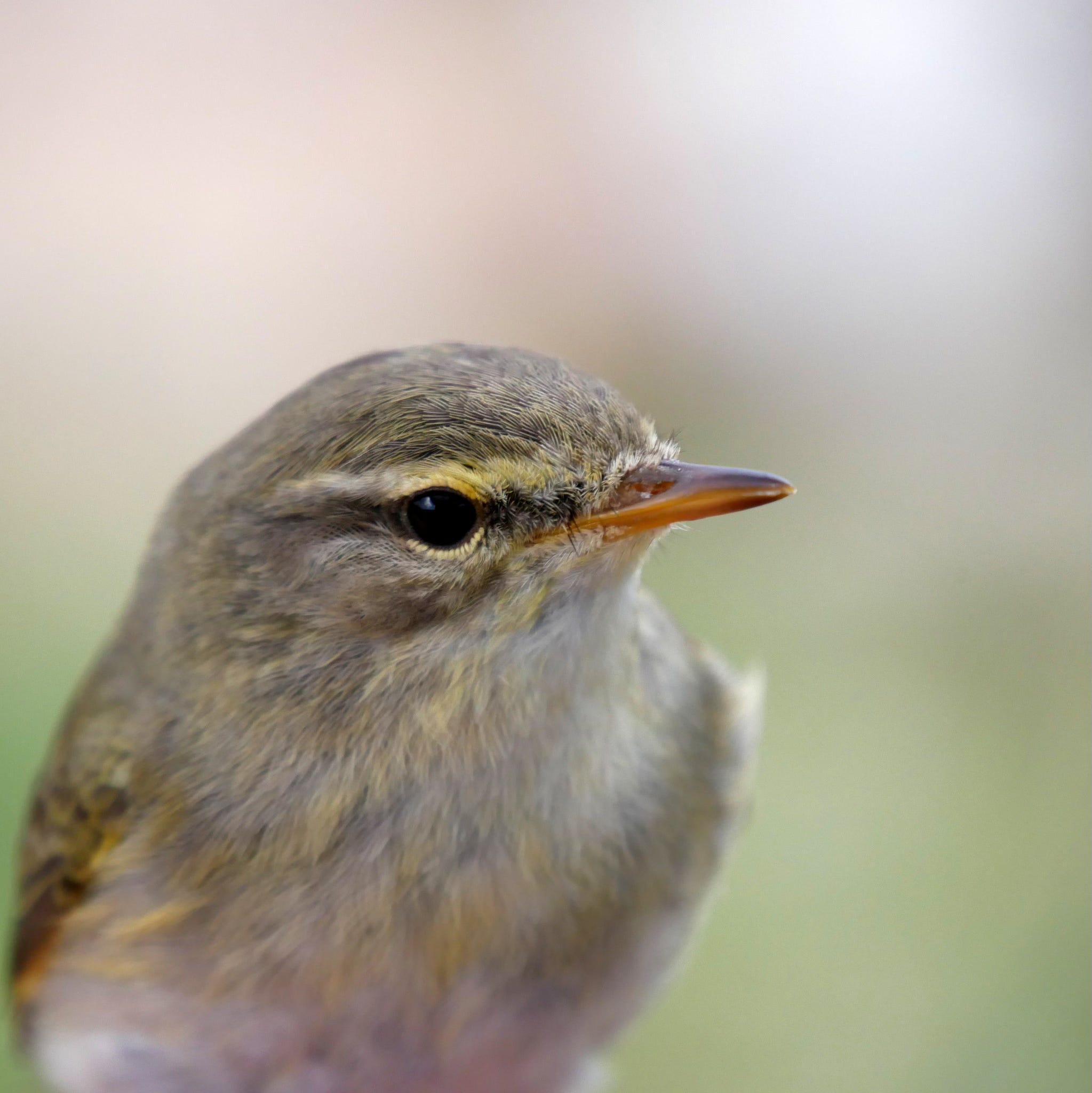
Leaf Warbler, Phylloscopus Trochilus, photo C. Barboutis, of the Antikythera Bird Observatory
It was watching migrating birds that gave me the clarity and courage to return to writing ten years ago and begin what eventually became my memoir. It was the first time I visited Antikythera, volunteering to help monitor migrating passerines and raptors. I knew little about birds, my only experience limited to the birds I saw around the city, my only knowledge what I’d read about them in mythology in Greek school. But as the flocks began to arrive on the island, a new world began to reveal itself to me. From the tiny passerines that had flown south from the northernmost corners of Europe, to the raptors that had taken off from the forests of the Balkans, they all carried with them narratives of freedom, of courage and resilience, a determination to reach their destination regardless of natural or human obstacles.
It is all too easy to put it all down to instinct, to interpret the astounding 50% mortality rate of migrating birds as a failure, or madness of some sort. But there is also a spiritual dimension to that kind of determination, a reaffirmation that there is a world beyond us that works in ways that are nothing short of miraculous.
Witnessing the magnificent arrival of the Imperial Eagle, feeling the tiny heartbeat of the warbler against the skin of my palm, changed me in ways I could never put into words. All I can say is that my heart and mind expanded in ways I never knew were possible and that attempting to put it all into writing helped me return to my own narrative, find the strength to remember and resolve a past that nearly broke me.
Watching birds helped me realise I could overcome obstacles I had thought were insurmountable, could defy the gravity of my past. In short, birds changed my life.
A truly wonderful piece! I saw an eagle once up on the moors in the Highlands. It was like someone had pressed the pause button on time and everyone and everything stood still. Like a choir boy's solo voice filling a cathedral. No wonder it changed everything.
I love the way you describe allowing birds to enter ones perception; differentiating between 'monitoring' bird life through birdwatching from that of simply being with these extraordinary creatures. Your connection with them really comes through this piece on so many levels. I really enjoyed reading it.